
The Difference Between Gambling and Investing is Information
Same markets. Different information. Different results. The real edge isn't intelligence — it's systems.

The gambler buys a token because someone on Twitter said it would moon.
The investor researches fundamentals, reads whitepapers, and checks the team's background.
The pro does all of that and knows about regulatory changes, competitor moves, and market shifts before they're widely reported.
Same markets. Different information. Different results.
Three Levels of Information

Level 1: The Gambler
Information sources:
Twitter threads, Discord hype, "Trust me bro" tips, gut feeling
Decision process:
- Hear about the opportunity
- FOMO kicks in
- Buy
- Hope
Outcome:
Mostly losses. Occasional wins feel like skill but are luck.
Problem:
No information edge. Making decisions based on what everyone already knows, or worse, what's already priced in.
Level 2: The Trying Investor
Information sources:
News sites (Bloomberg, CoinDesk, Reuters), Research reports, Company filings, Social media monitoring
Decision process:
- Research fundamentals
- Check news and analysis
- Make an informed decision
- Still get surprised by moves
Outcome:
Better than gambling. Still gets caught off guard.
Problem:
Information arrives late. By the time they read the analysis, the market already moved. By the time they see the news, it's already priced in.
They're doing research. But they're doing it after the pros already acted.
Level 3: The Pro (Team Y2)
Information sources:
- Everything Level 2 has
- Plus: Real-time monitoring across hundreds of sources
- Plus: Alerts on developments as they happen
- Plus: Synthesized intelligence delivered automatically
Decision process:
- Wake up to an overnight brief (what happened while sleeping)
- Get alerted to critical developments (as they happen)
- Make decisions with complete information
- Act before most people know what happened
Outcome:
Consistent edge. Not because they're smarter, but because they know first.
Advantage:
Information speed. They see regulatory changes the day they're filed. They catch competitor moves within hours. They know about market-moving events before Twitter does.
The Information Gap in Practice
Example: Regulatory Change
Gambler:
Finds out about new crypto regulations from a tweet. Three days after the announcement. The market already reacted. Scrambles to understand what it means.
Trying Investor:
Reads about the regulation in a newsletter. Next morning. The market already moved overnight. Understands what it means, but missed the opportunity to act early.
Pro:
Gets alert within 2 hours of regulatory filing. Reads AI-synthesized summary. Understands which positions are affected. Adjusts portfolio that evening. Ahead of the market reaction.
Time difference between gambler and pro: 3 days. In fast markets, that's a lifetime.
Example: Market-Moving Event
Gambler:
Wakes up to see the portfolio down 12%. Checks Twitter to figure out what happened. Pieces together that there was a geopolitical event overnight. Panic sells at the bottom.
Trying Investor:
Wakes up, checks news sites. Sees the geopolitical event. Reads analysis. Understands the situation by mid-morning. The market has already rebounded. Missed both the dip and the recovery.
Pro:
Gets alert at 3 AM (doesn't wake them, sees it at 7 AM). Brief explains what happened, market impact, and implications for their positions. The market opens at 9:30 AM. Makes informed decisions with 2.5 hours to spare.
Result: Same event. Three different outcomes. All because of information timing.
What Creates the Gap

It's not intelligence. It's not work ethic. It's not access to secret information.
It's systems.
The gambler has no system. Just vibes and hope.
The trying investor has a manual system. They read sources, do research, and stay informed. But manual systems don't scale. Can't monitor everything. Can't catch everything. Can't act instantly.
The pro has an automated system. AI monitors hundreds of sources. Filters noise. Identifies signals. Delivers intelligence. They spend 15 minutes reading a brief instead of 3 hours hunting for information.
The difference isn't effort. It's efficiency.
The Information Edge
Here's what the pro knows that the gambler doesn't:
1. More sources ≠ better information
Following 100 Twitter accounts and joining 20 Discord servers doesn't make you informed. It makes you overwhelmed.
Better approach: Automated monitoring that watches everything and tells you only what matters.
2. Speed matters more than depth
A shallow understanding of something that just happened beats a deep understanding of something that happened three days ago.
In fast markets, knowing early > knowing deeply.
3. Context is everything
Raw information without context is noise.
"Oil up 8%" means nothing without knowing why and what it means for your positions.
Intelligence = Information + Context + Relevance
4. You can't watch everything manually
Markets are 24/7. News is global. Events don't wait for you to be online.
Trying to manually monitor everything means missing things. Automated monitoring means catching everything.
Moving From Level 2 to Level 3

Most people are stuck at Level 2. They're trying to be informed, but they're doing it manually.
They're checking sources. Reading the news. Monitoring developments. But they're always a step behind because manual monitoring doesn't scale.
The shift to Level 3 requires automation:
Instead of: Manually checking 20 news sources daily
Do: Automated monitoring across 200+ sources with intelligent filtering
Instead of: Reading everything and hoping you catch what matters
Do: AI reads everything, delivers only what's relevant to you
Instead of: Discovering important events hours or days late
Do: Real-time alerts when events happen
Instead of: Piecing together context from fragments
Do: Synthesized intelligence with context included
The work doesn't go away. It just gets automated.
What Y2 Actually Does
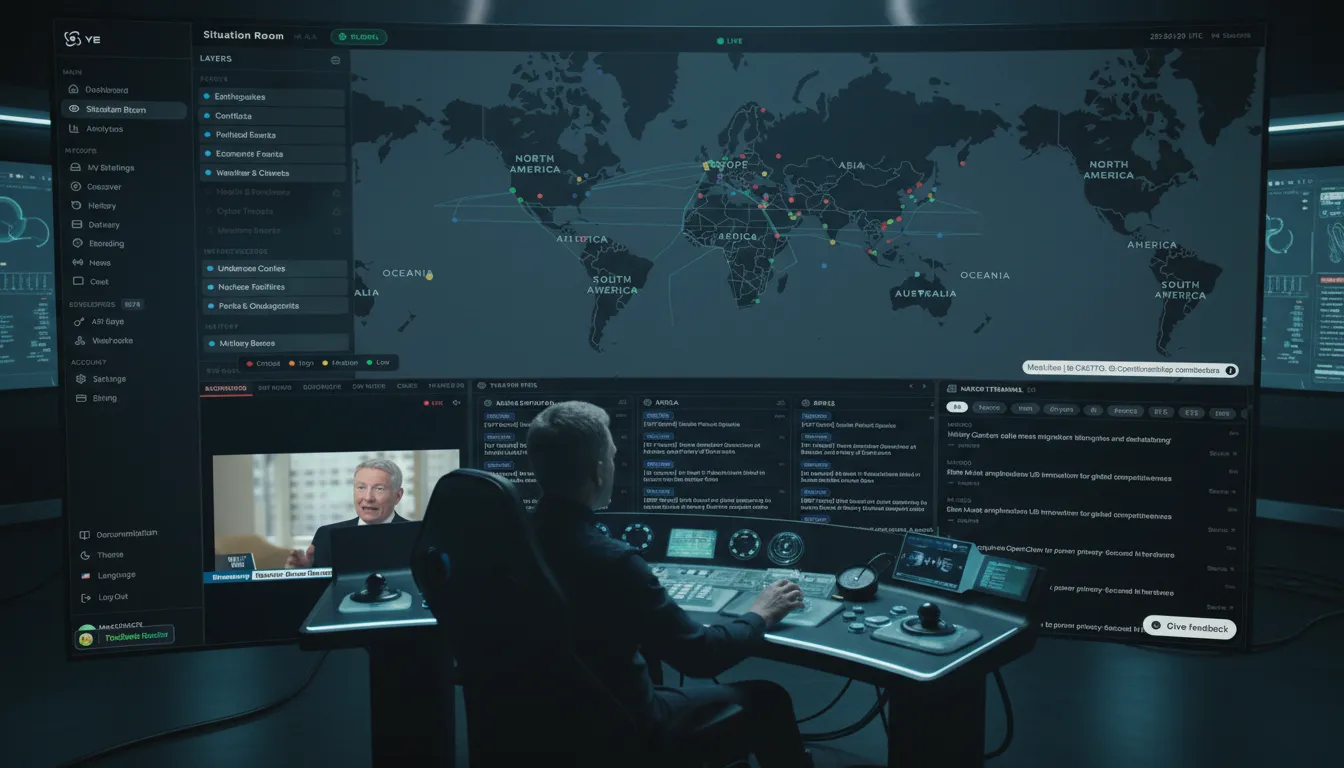
Y2 automates the information edge.
You define what matters:
- Assets you trade (crypto, stocks, commodities)
- Topics you track (regulations, competitors, technologies)
- Regions that affect you (US, EU, Asia, etc.)
AI monitors continuously:
- News sites, social media, government databases
- 24/7, across hundreds of sources
- In multiple languages, auto-translated
You get intelligence delivered:
- Critical alerts (immediate, to phone/Slack/Telegram)
- Daily briefs (overnight developments, synthesized)
- Weekly digests (trends and patterns)
Result: You operate at Level 3. Same information speed as pros. Without hiring a research team.
The Question
Which level are you operating at?
If you're making decisions based on Twitter threads and Discord hype → Level 1 (gambling)
If you're doing research but still getting surprised by moves → Level 2 (trying)
If you're consistently informed before most people know what happened → Level 3 (pro)
Which level do you want to be at?
The difference between Level 2 and Level 3 isn't more effort. It's a better system.
Stop Gambling. Start Knowing.
The gambler hopes they didn't miss anything.
The trying investor worries they missed something.
The pro knows they didn't miss anything. Because their system catches everything.
Y2 is the system.
Automated monitoring across hundreds of sources.
AI-filtered intelligence delivered to you.
Real-time alerts when it matters.
Daily briefs when it doesn't.
Same markets. Better information. Better results.
Get the information edge: https://y2.dev